

Some startups walk into the Shark Tank just hoping to survive. Cabinet Health walked in with a mission to fix one of the most overlooked waste problems in America, your medicine cabinet. Every year, billions of plastic pill bottles end up in landfills. Cabinet Health decided that was unacceptable and built an entire business around changing it.
Cabinet Health Details
| Detail | Information |
| Company Name | Cabinet Health |
| Founders | Russell Gong & Achal Patel |
| Founded | 2018 |
| Shark Tank Season | Season 14, Episode 11 |
| Ask | $500,000 for 2.5% equity |
| Deal | $500,000 for 7% equity |
| Investors | Kevin O’Leary & Tony Xu |
| Industry | Sustainable Healthcare Packaging |
| Headquarters | New York, NY |
| Website | cabinetmedicine.com |
Overview
Cabinet Health isn’t your average wellness startup. At its core, it’s a refillable medicine bottle system designed to eliminate single-use plastic from the pharmaceutical industry. Think of it like a milk-bottle return program, but for your ibuprofen. You get a beautiful, stackable glass medicine jar once and then refill it with compostable pill pouches delivered right to your door.
It’s a simple idea. But the execution is genuinely impressive. The brand targets eco-conscious consumers who want their healthcare habits to match their environmental values, and that’s a growing crowd. With plastic-free pharmacy containers and magnetic medicine labels that actually look good on a shelf, Cabinet Health turned a sustainability problem into a design-forward consumer product.
Founders Background And Mission
Russell Gong and Achal Patel didn’t stumble into sustainable healthcare packaging by accident. Both founders brought sharp business and design instincts to the table, and both shared a frustration with how wasteful the pharmaceutical industry had become. Their pitch was personal, not just corporate.
Gong and Patel’s mission was never just about pretty bottles. They wanted to attack plastic pollution at the source, the pharmacy shelf. Their certified B Corporation status signals that commitment clearly. This wasn’t a company chasing a trend. It was building a genuine circular economy healthcare model from the ground up.
Company Information
Cabinet Health launched in 2018 and quickly earned attention for its fresh take on eco-friendly OTC medication packaging. The company operates a direct-to-consumer model, shipping refillable glass medicine bottles alongside compostable healthcare pouches that hold the actual medication. Customers keep the bottles. The plastic never exists in the first place.
The business model is clever. Rather than recycling plastic after the fact, Cabinet Health eliminates it entirely, a true waste-free medicine storage approach. The company also explored a Cabinet Health prescription beta service, testing whether the refillable model could extend beyond over-the-counter products into prescription drug packaging. That’s a much bigger market and a much harder regulatory path.
Product Innovation And Sustainability Model
Here’s what makes Cabinet Health genuinely different. Those stackable refillable pill containers are designed to look like something you’d actually want on display, not hidden in a drawer. The magnetic medicine labels snap cleanly onto the glass jars. The whole system feels considered and premium, not like a compromise for the sake of the environment.
The compostable pill packaging solution uses plant-based materials that break down naturally. No microplastics. No landfill guilt. For consumers tired of the plastic bottle problem in the pharmaceutical industry, this is a real alternative. Cabinet Health proved that sustainable pharmaceutical packaging doesn’t have to mean ugly or inconvenient. Done right, it’s actually better.
The Shark Tank Pitch
Russell Gong and Achal Patel stepped onto the Shark Tank stage during Season 14, Episode 11 with a bold ask, $500,000 for 2.5% equity. That implied a $20 million valuation. The Sharks raised eyebrows. That’s a confident number for a startup in a notoriously difficult space.
Their pitch highlighted the plastic pollution problem in the pharmaceutical industry and positioned Cabinet Health as the sustainable solution the market needed. They brought the products, the packaging, and the passion. The founders explained their refill-based medication delivery system clearly and made the environmental case compellingly. Still, getting Sharks to bite on a high valuation in a regulated industry isn’t easy, and the room pushed back hard on the numbers.
Shark Tank Deal And Investor Reactions
After some tense back-and-forth, Cabinet Health landed a deal. Kevin O’Leary and Tony Xu jointly offered $500,000 for 7% equity, nearly triple the equity the founders originally offered. It was a significant concession but a meaningful validation. Two experienced investors saw enough potential to write a check.
The Cabinet Health Shark Tank deal reflected genuine interest in the sustainable consumer healthcare products space. O’Leary liked the business model’s scalability and Tony Xu brought operational expertise from his own background building consumer businesses. However, as with many Shark Tank deals, the agreement reached on screen doesn’t always survive due diligence. Reports suggest the Cabinet Health Shark Tank deal was not ultimately closed in its original form, though both parties discussed alternative structures post-filming.
Shark Tank Net Worth
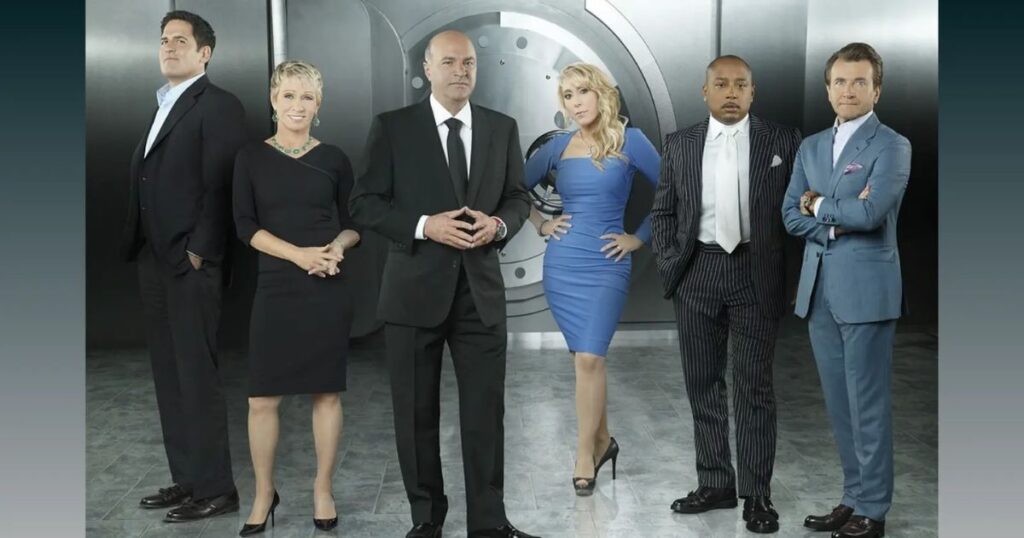
Cabinet Health’s net worth isn’t a number the founders have ever pinned to a press release. But we can piece together a reasonable picture. At the time of their Shark Tank pitch, the founders valued the company at $20 million, bold for a startup still finding its retail footing. Post-show exposure changed the math considerably.
Direct-to-consumer sales surged after the episode aired. The Cabinet Health Republic crowdfunding campaign pulled in community investors and added real momentum to the brand’s valuation story. Factor in growing customer retention rates from the refillable medicine bottle system and the repeat-purchase economics start to look genuinely attractive. Investors notice that kind of thing fast.
Industry analysts who track sustainable healthcare startup revenue place Cabinet Health’s current estimated net worth somewhere in the range of $15 million to $30 million as of 2026. That’s a wide band and deliberately so, private companies don’t owe anyone a balance sheet. However, the trajectory points upward. Retail expansion into major pharmacy chains would push that figure significantly higher almost overnight.
What’s clear is this: Cabinet Health built something with real staying power. The plastic-free healthcare movement isn’t slowing down and neither is consumer demand for environmentally friendly medicine storage options. As long as the founders keep executing, the Cabinet Health net worth estimate will keep climbing, one compostable pouch at a time.
Where Are They Now?
Cabinet Health kept moving. The brand continued growing its direct-to-consumer channel and expanded its product line across popular OTC categories. Their Republic crowdfunding campaign helped build community investment and brand loyalty simultaneously, a smart move for a mission-driven company.
The Cabinet Health CVS expansion talks generated serious buzz. Landing shelf space in a major retail chain would transform the brand’s reach overnight. As of 2026, Cabinet Health where are they now is a question with an encouraging answer: still operating, still innovating and still pushing the plastic-free healthcare movement forward. The Cabinet Health net worth estimate has grown considerably since the show aired, driven by increased brand awareness and a loyal customer base.
Growth, Retail Expansion And Future Plans
Cabinet Health’s growth story is really about patience and persistence. Sustainable medicine container innovation doesn’t scale overnight, especially when you’re navigating FDA approval challenges and a supply chain built around compostable materials. But the founders understood that going in.
Retail expansion remains the big prize. A Cabinet Health CVS retail expansion or similar partnership would dramatically reduce customer acquisition costs and introduce the brand to millions of shoppers who’ve never heard of it. The company’s profitability timeline depends heavily on cracking that retail channel. Meanwhile, the direct-to-consumer model keeps the margin structure healthy and the customer relationship direct.
Revenue
Cabinet Health’s exact revenue figures aren’t publicly disclosed but industry observers estimate the company crossed meaningful revenue milestones post-Shark Tank. The spike in Cabinet Health customers and sales following the episode was significant, as it almost always is after national TV exposure.
Sustainable healthcare startup revenue rarely follows a straight line and Cabinet Health is no exception. Early years required heavy investment in packaging innovation, supply chain development and brand building. However, the refillable medicine bottle business model carries strong repeat-purchase dynamics. Once a customer has the glass jar, they keep coming back for compostable refills. That’s the kind of recurring revenue model investors love.
Shark Tank Companies
Cabinet Health fits neatly into a growing category of Shark Tank sustainability startup success stories. Alongside other eco-conscious brands that found their footing after the show, it represents a genuine shift in how consumers think about everyday product choices.
What sets Cabinet Health apart from most Shark Tank healthcare startups is its structural commitment to change. This isn’t a product with a green sticker on it. The entire business, from packaging design to supply chain to delivery model, is built around single-use plastic reduction in pharma. That kind of deep integration is rare and it’s what makes the brand credible to the customers who matter most.
FAQ’s
What is Cabinet Health and what do they sell?
Cabinet Health sells refillable glass medicine bottles and compostable pill pouches as a plastic-free alternative to standard pharmaceutical packaging.
Did Cabinet Health close their Shark Tank deal with Kevin O’Leary and Tony Xu?
The deal reached on screen for $500,000 at 7% equity was not confirmed as officially closed after post-show due diligence.
Is Cabinet Health still in business in 2026?
Yes, Cabinet Health is still operating, continuing to grow its customer base and exploring retail expansion opportunities.
What makes Cabinet Health different from regular medicine brands?
Their entire model eliminates single-use plastic through refillable containers and compostable pouches, making it a genuinely waste-free system rather than a superficial green claim.
Where can you buy Cabinet Health products?
You can shop directly at cabinetmedicine.com and the brand has pursued broader retail distribution including potential partnerships with major pharmacy chains.
Ryan Mitchell is a seasoned digital marketing strategist and content writer with over 8 years of experience in SEO and guest posting. He has contributed to top business publications, helping brands grow their online visibility through data-driven strategies. Ryan focuses on ethical link building and sustainable content growth practices.