

There’s something quietly rebellious about turning a spoon into a ring. It sounds like a craft fair project, right? But when Tristen Ikaika walked onto the Shark Tank stage, it became clear this wasn’t just jewelry. It was a movement. A story. A brand built from scratch by a young entrepreneur who saw beauty in what most people throw away.
If you’ve ever wondered whether a handmade, eco-conscious jewelry brand can hold its own in a room full of billion-dollar investors, this one’s for you.
Shark Tank Season 13 Episode 12 Overview
Season 13 of Shark Tank didn’t run short on memorable moments, but Episode 12 had something a little different. Among the pitches for tech gadgets and food products came a jewelry brand with a story that felt personal and purposeful. The sharks weren’t expecting what walked through that door.
Tristen Ikaika brought handcrafted spoon rings to the Tank, and the energy in the room shifted almost immediately. This wasn’t your typical direct-to-consumer pitch. It had heart, it had hustle, and it had a business model that actually made sense. The episode gave viewers a look at how sustainability, social media savvy, and sheer passion can turn recycled silverware into a real brand worth talking about.
Meet Founder Tristen Amal Ikaikamaikai’ikaneokalani Persons
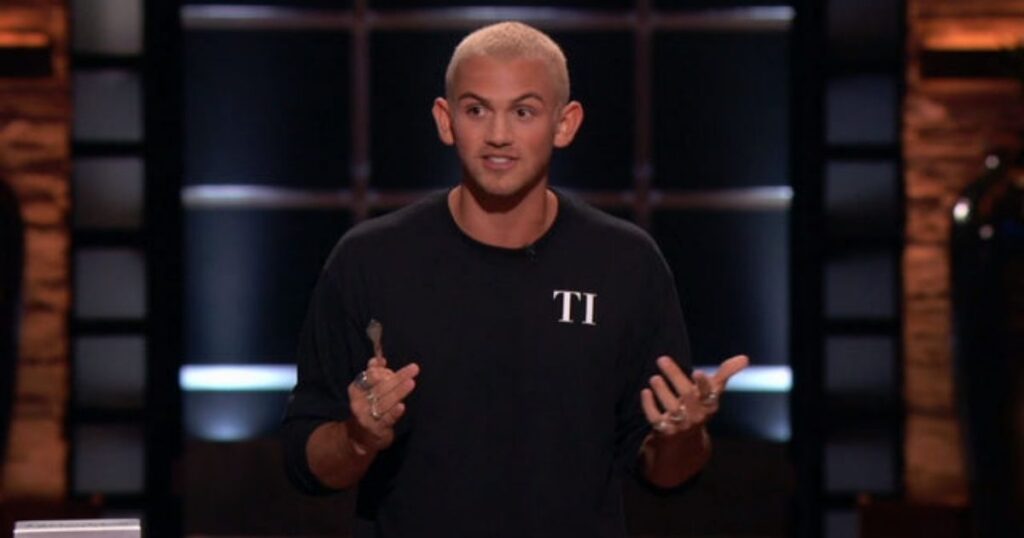
Behind every great brand is a story worth telling. Tristen Amal Ikaikamaikai’ikaneokalani Persons carries a name as layered and meaningful as the jewelry she creates. She’s young, driven, and deeply connected to her Hawaiian heritage, something that pours into everything she makes.
Tristen didn’t grow up with a business degree or a family trust fund. She started with curiosity, a pair of hands, and an eye for materials others overlooked. Her founder story is one of those rare ones that doesn’t feel manufactured for a pitch deck. It feels lived in. She discovered the world of repurposed silverware jewelry and realized she could do something genuinely different with it. Her creative jewelry entrepreneurship journey is rooted in authenticity, and audiences can feel that.
What makes her story resonate even more is the simplicity of where it began. She wasn’t trying to disrupt a market. She was just making something she loved. And then the world noticed.
Also Read: Cabinet Health Shark Tank Update 2026
What Makes Tristen Ikaika Rings Unique
You’ve seen handmade rings before. But Tristen Ikaika rings occupy a very specific lane. Each piece starts its life as a vintage spoon, and through careful, skilled metalwork, it becomes a wearable collectible. That transformation is the whole point.
The craftsmanship here isn’t about speed. It’s about intention. Every ring carries the character of the original silverware it came from, complete with its own marks, patterns, and age. No two pieces are identical, and that’s not a flaw. That’s the feature. Custom metalwork jewelry at this level requires patience and skill that factory production simply cannot replicate.
What also sets this brand apart is the storytelling built into each piece. When you wear a Tristen Ikaika ring, you’re wearing something with a past life. That narrative, that sense of history, is what keeps customers coming back. In a world flooded with mass-produced accessories, this brand offers something that actually means something.
Product Line and Jewelry Collections
The product line stays focused, which is a smart move for a small batch jewelry production brand. Spoon rings are the signature, but the collections themselves vary widely in style, finish, and origin material. Some pieces lean vintage and ornate, pulling from heavily engraved silverware. Others are cleaner and more minimal, appealing to a younger, modern aesthetic.
Tristen has leaned into exclusive online jewelry collections with good reason. Limited availability creates urgency. When a collection drops, it moves. The variety within the line keeps repeat buyers engaged while also bringing in new customers who might stumble across a specific design that speaks to them.
Handmade collectible rings aren’t just products here. They function almost like small works of art. That positioning elevates the brand above typical accessories and places it closer to the sustainable luxury accessories market, which is growing fast.
Sustainable Materials and Brand Mission
Let’s talk about what’s actually at the core of this brand. Recycled metal accessories built from repurposed silverware are the foundation. Every ring starts with material that already exists, which means no new mining, no excess resource use, and a significantly lower environmental footprint compared to conventional jewelry production.
This commitment to environmentally conscious fashion isn’t just a marketing angle. It’s baked into the process. The brand mission aligns closely with what today’s consumers, especially younger ones, actually want from the companies they support. Eco-friendly fashion accessories are no longer a niche. They’re a growing expectation.
The sustainable jewelry brand identity that Tristen has built feels genuine rather than performative. That authenticity matters more than ever in a market where greenwashing is rampant. Customers are smart. They can tell when a brand actually walks the walk, and Tristen Ikaika does.
Instagram Drop Strategy Explained
Here’s where things get really interesting from a business standpoint. Tristen built her audience and drove sales almost entirely through Instagram drop marketing strategy, and it worked brilliantly. Instead of maintaining a traditional storefront with constant inventory, she releases limited edition jewelry drops on specific dates, creating a sense of anticipation that’s hard to manufacture any other way.
Think of it like a streetwear brand but for jewelry. Followers tune in, mark their calendars, and compete for pieces they genuinely want. The scarcity isn’t artificial. With small batch production, limited availability is simply a reality. But framing it as a drop makes it feel exciting rather than restrictive.
This approach also feeds the community. People talk about upcoming drops, share their purchases, and tag friends. That organic word-of-mouth is more valuable than any paid advertising campaign. For an independent jewelry startup with a limited marketing budget, the Instagram drop model is close to genius.
Sales Performance and Customer Demand
Before stepping into the Tank, Tristen had already proven there was real demand for what she was selling. The sales numbers weren’t hypothetical projections. They were built on actual customer behavior and repeat purchases, which is the kind of traction that turns a Shark’s head.
The direct-to-consumer jewelry brand model cuts out the middleman and keeps margins healthier, which matters when you’re running a small operation. Revenue was being generated organically, largely through social media, with customers genuinely seeking out the brand rather than being pushed toward it through heavy advertising.
The demand also reflected a broader shift in consumer preference. Gen Z sustainable fashion demand is real and growing, and Tristen Ikaika sits right at the intersection of that trend and artisanal jewelry craftsmanship. That’s a powerful place to be.
Shark Reactions and Investor Interest
The sharks listened carefully, and the reactions were a mix of genuine intrigue and practical skepticism. That’s normal for any product that relies heavily on handmade production. The scalability question came up, as it always does, but so did real interest in what Tristen had built.
Her confidence on stage stood out. She knew her numbers, she knew her customer, and she knew why her brand mattered. In the artisanal jewelry market competition, differentiation is everything, and she made a compelling case for why Tristen Ikaika is different. The sharks recognized that storytelling brand identity jewelry is increasingly valuable in the modern market.
Not every shark connected with the concept, but Kevin O’Leary saw something worth exploring. That’s where the conversation got serious.
Deal Breakdown with Kevin O’Leary
Kevin O’Leary investment negotiation is rarely simple, and this one was no exception. Mr. Wonderful came to the table with terms that reflected his typical approach: structured, performance-focused, and tied closely to revenue outcomes. A Shark Tank deal Kevin O’Leary makes tends to come with strings, and this was no different.
The discussion centered around valuation, equity, and the realities of scaling handcrafted ring production. Tristen held her ground on several points, which was admirable to watch. Negotiating with O’Leary without flinching is not easy, and she handled it with poise.
The offer itself was interesting because it acknowledged the brand’s real potential while also pressing hard on the practical challenges ahead. That tension made for compelling television and a genuine business conversation.
Why the Shark Tank Deal Didn’t Close
After the cameras stopped rolling, the deal didn’t ultimately close. This happens more often than viewers realize. What looks like an agreement on screen can fall apart during the due diligence phase, and recycled jewelry startup valuation discussions often get complicated when lawyers and accountants get involved.
There are a few likely reasons the deal didn’t finalize. Valuation disagreements are common. So are structural issues around equity stakes, royalty arrangements, and growth projections. For a brand built on handcrafted production, demonstrating a clear path to scale while maintaining quality is genuinely difficult to put on paper in a way that satisfies investor requirements.
That said, not closing a Shark Tank deal doesn’t mean failure. For many brands, the exposure alone is worth far more than the investment.
Business Growth After Shark Tank
The post-Shark Tank business update for Tristen Ikaika is one of continued momentum. The show’s airing brought an enormous wave of attention that translated into traffic, sales, and new followers. That’s the Shark Tank effect, and it’s real regardless of whether a deal closes.
Online jewelry brand expansion became possible because of that visibility. New customers who had never heard of the brand suddenly found it, explored it, and bought from it. The community grew, the waitlists for drops got longer, and the brand’s profile in the sustainable accessories consumer trends conversation increased significantly.
Tristen has continued building on that foundation, staying true to her original model while carefully exploring how to grow without compromising the quality that made her brand stand out in the first place.
Customer Reviews and Market Reception
The market has responded warmly. Customer reviews consistently highlight the uniqueness of each piece, the quality of the craftsmanship, and the feeling of owning something genuinely one-of-a-kind. For a sustainable ring business model, that kind of feedback is gold.
People aren’t just buying rings. They’re buying into a story and a set of values. Reviews often mention the brand’s mission alongside the product itself, which tells you something important about who these customers are and why they return. Jewelry brand community building is clearly working here.
The reception has been particularly strong among eco-conscious shoppers who want fashion choices that align with their values without sacrificing style. That niche is loyal and vocal, which is exactly what a growing brand needs.
Expansion Beyond Spoon Rings
Smart brands don’t stay stuck in one lane forever, and Tristen has shown interest in expanding the product offering thoughtfully. While spoon rings remain the core and the signature, exploring adjacent materials and forms makes sense as the brand matures.
Repurposed silverware jewelry doesn’t have to stop at rings. Pendants, bracelets, and other accessories made from the same vintage materials could extend the brand’s reach without diluting its identity. The key is staying true to the handcrafted ethos that makes this brand worth caring about.
Expansion done right could also attract new customer segments without losing the loyal base that built the brand in the first place.
Challenges in Scaling Handmade Jewelry
Here’s the honest truth about growing a brand like this. Scaling handmade jewelry is genuinely hard. Every piece requires time, skill, and attention that cannot simply be automated without changing what the product fundamentally is.
Handcrafted spoon rings are valuable precisely because they’re handcrafted. The moment you introduce mass production, the story changes. That’s the central tension every artisanal brand faces, and Tristen Ikaika is no exception. Small batch jewelry production keeps quality high but limits volume, which in turn limits revenue growth.
Finding skilled craftspeople, managing materials sourcing, and maintaining consistency across pieces all become increasingly complex as demand grows. These aren’t small problems. They require thoughtful systems and smart hiring, and doing it wrong can damage the brand quickly.
Competitors in the Sustainable Jewelry Space
The sustainable jewelry brand market is more crowded than it was even a few years ago. Environmentally conscious fashion has gone from niche to mainstream, which means more brands are entering the space and competing for the same conscious consumer.
That said, most competitors in this space don’t share Tristen Ikaika’s specific angle. The vintage spoon ring business model, rooted in repurposed materials and personal storytelling, occupies a fairly distinctive position. Generic eco-jewelry brands struggle to match the narrative depth that a brand like this naturally carries.
The real competition isn’t just other sustainable brands. It’s the broader jewelry market and the consumer inertia toward fast fashion accessories. Winning hearts and wallets requires continued storytelling and consistent quality.
Revenue Potential and Brand Valuation
Let’s talk numbers, even broadly. The recycled jewelry startup valuation discussion during Shark Tank gave us a glimpse into how Tristen sees her brand’s worth. For an independent brand at this stage, the potential ceiling is significant if scaling is handled smartly.
The direct-to-consumer model keeps margins strong. Limited edition drops drive urgency and premium pricing. And the loyal community reduces customer acquisition costs over time. Those are all the ingredients of a brand with real long-term revenue potential.
Valuation for brands like this is tricky because so much of the value is tied to the founder’s story and the community they’ve built. That’s both a strength and a vulnerability. Growing the brand beyond the founder’s personal identity will be an important step as things scale.
Social Media Community and Brand Loyalty
The social media community that Tristen has cultivated is arguably the brand’s most valuable asset. Instagram isn’t just a sales channel here. It’s where the brand lives, breathes, and connects with real people. The drop model turns followers into active participants rather than passive observers.
Jewelry brand community building at this level creates something money can’t easily buy: genuine emotional investment. Fans of the brand aren’t just customers. They’re advocates. They share drops, tag friends, and create the kind of organic buzz that drives discovery without requiring a massive ad budget.
That community is also a feedback loop. Customer input shapes future collections, which in turn deepens loyalty. It’s a virtuous cycle when managed well.
Future Plans and Upcoming Collections
The road ahead for Tristen Ikaika looks genuinely exciting. Future collections are expected to continue exploring vintage and recycled materials, with potential expansion into new forms and styles. The brand has hinted at collaborations and themed drops that could draw even more attention.
Staying ahead in the exclusive online jewelry collections space requires constant creative energy. Tristen has shown she has that in abundance. The challenge going forward is channeling it into scalable systems that don’t burn out the founder or compromise the product.
Fans and followers are watching closely, and the anticipation around each new drop continues to build.
Lessons for Young Entrepreneurs
If you’re building something from scratch right now, Tristen’s journey has a few real lessons worth holding onto. First, your story is your brand. Don’t try to hide where you came from or why you started. That authenticity is what makes people trust you.
Second, you don’t need a massive budget to build a loyal audience. Strategic use of social media, combined with a product that genuinely stands out, can take you further than most people expect. The Instagram drop marketing strategy Tristen used is something any small brand can adapt.
Third, walking into a room full of seasoned investors and holding your ground takes courage. Not every deal is worth taking just because a Shark is offering it. Knowing your worth is part of being a real entrepreneur, and Tristen demonstrated that clearly.
Final Thoughts on the Shark Tank Journey
The Shark Tank jewelry pitch that Tristen Ikaika delivered wasn’t just a business presentation. It was a statement about what modern consumers want and what independent brands can achieve when they build with purpose. The deal may not have closed, but the story didn’t end there.
Tristen Amal Ikaikamaikai’ikaneokalani Persons is proof that you can build something meaningful out of discarded materials, a good idea, and a lot of heart. The sustainable luxury accessories space is better for having her in it.
Whether you’re a fan of the brand, an aspiring entrepreneur, or someone who just watched the episode out of curiosity, one thing is clear. This brand has something real. And in a market full of noise, that’s rarer than you’d think.
FAQ’s
What is Tristen Ikaika known for?
Tristen Ikaika is known for creating handcrafted spoon rings made from recycled and vintage silverware, building a sustainable jewelry brand with a loyal online following.
Did Tristen Ikaika get a deal on Shark Tank?
Tristen received an offer from Kevin O’Leary during filming, but the deal did not officially close after the show aired and due diligence was completed.
How does Tristen Ikaika sell her jewelry?
She primarily uses an Instagram drop model, releasing limited edition collections on specific dates to create urgency and engage her community directly.
What materials does Tristen Ikaika use for her rings?
Each ring is made from repurposed vintage silverware, making every piece unique and environmentally friendly with no two rings looking exactly the same.
Is Tristen Ikaika still in business after Shark Tank?
Yes, the brand has continued to grow after its Shark Tank appearance, benefiting from increased visibility and a strong, loyal customer base built through social media.

Ryan Mitchell is a seasoned digital marketing strategist and content writer with over 8 years of experience in SEO and guest posting. He has contributed to top business publications, helping brands grow their online visibility through data-driven strategies. Ryan focuses on ethical link building and sustainable content growth practices.